Related Posts

General News Blog
My WordPress Blog
My WordPress Blog
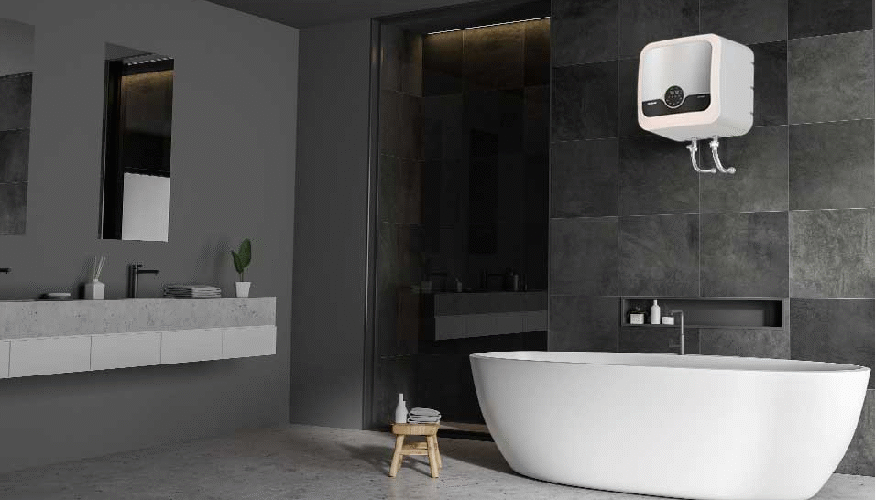
Walk into any hardware or appliance store looking for a geyser, and you’ll quickly realise there isn’t just one kind of “hot water heater.” There are several, each built around a different way of heating water, and picking the wrong one for your household usually means either overpaying on electricity or running out of hot water at the worst possible time. Here’s a practical breakdown of the main types, so you know what you’re actually choosing between.
This is the type most households are familiar with a tank that holds and continuously heats a reserve of water, ready to be drawn whenever you open a hot tap. If you’ve ever wondered exactly how this heating and storage cycle works, we’ve explained it in detail in our piece on how a geyser works.
Best for: Homes with multiple bathrooms or higher simultaneous hot water demand (family showers back-to-back, kitchen and bathroom use at the same time).
Trade-off: Since the tank keeps water hot even when you’re not using it, there’s a standby energy cost. Larger tanks also take up more wall or floor space.
Read More: What Should You Check Before Finalising A Commercial Water Cooler?
Instant geysers skip storage altogether. Water passes through a compact heating chamber and is heated on the spot, right as it flows to your tap. There’s no tank, no standby heating, and no waiting for a large reserve to warm up.
Best for: Smaller households, single-bathroom homes, or spaces where wall space is limited.
Trade-off: Output is generally lower, so running two hot taps simultaneously (say, a shower and a kitchen tap) can strain the unit. They’re also typically better suited to point-of-use installation (one geyser per outlet) rather than whole-home supply.
Electric geysers use a resistive heating element, similar to what you’d find in a kettle, submerged in the tank. They’re the most common type in urban homes because installation is simple and doesn’t require a gas line.
Best for: Apartments and homes without gas connections; anyone prioritising ease of installation.
Trade-off: Running costs can be higher than gas, depending on local electricity tariffs, and heating large volumes takes longer than gas-powered alternatives.
Gas geysers heat water using a gas burner positioned beneath the tank or heating chamber. They tend to heat water faster than electric models and are often more economical to run where gas is cheaper than electricity.
Best for: Homes with an existing gas line and higher hot water demand.
Trade-off: Requires proper ventilation and safety installation (carbon monoxide is a real risk with poorly installed units), and upfront installation costs are usually higher.
Solar geysers use rooftop panels to absorb heat from sunlight, which is then transferred to the water storage tank often paired with a small electric or gas backup for cloudy days or high-demand periods.
Best for: Homes in sunnier climates looking to cut long-term energy costs, and anyone prioritising a lower environmental footprint.
Trade-off: Higher upfront installation cost, and performance is weather-dependent without a reliable backup heating source.
These work a bit differently instead of generating heat directly, they extract heat from the surrounding air and transfer it to the water, similar to how a refrigerator works in reverse. They’re considerably more energy-efficient than standard electric geysers.
Read More: Top 10 Ceiling Fan Manufacturers In India
Best for: Households looking to reduce electricity consumption over the long run, particularly in warmer climates where ambient air heat is more readily available.
Trade-off: Higher initial cost and slower heating in colder ambient conditions.
There’s no single “best” geyser it comes down to your household size, hot water usage patterns, available utility connections (gas vs. electric), and how much you’re willing to spend upfront versus over time. A single-person apartment rarely needs the same setup as a family home with three bathrooms.
Whichever type you land on, regular maintenance matters just as much as the initial choice sediment buildup, thermostat issues, and heating element wear affect every type of geyser eventually. If yours is already acting up, our guide on how to fix common geyser problems walks through the most frequent issues and what typically causes them.
And if you’re topping up or drawing water directly from your geyser line for drinking, it’s worth reading whether that water is actually safe to drink the answer isn’t the same for every type of unit.