Related Posts

General News Blog
My WordPress Blog
My WordPress Blog
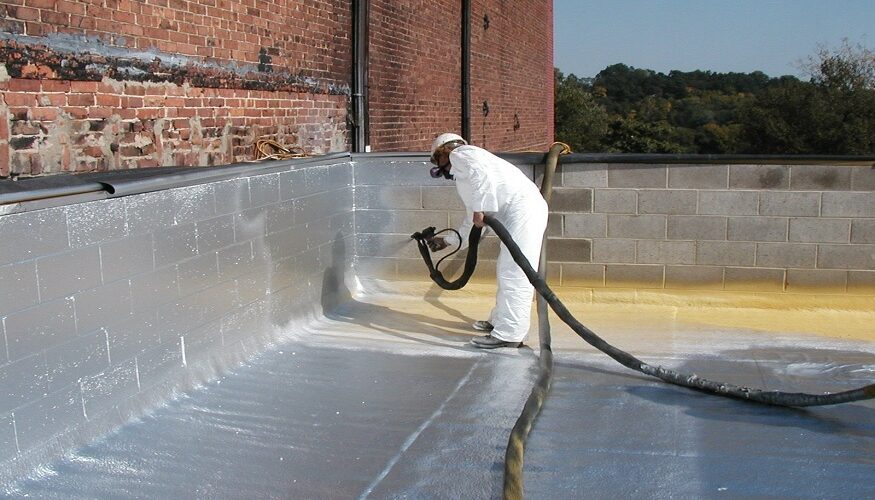
Water damage is one of the most common and costly issues in Indian homes. From damp patches to peeling paint and structural damage, moisture can quietly weaken your space over time. Many homeowners rely on surface solutions like waterproof paint for wall, while others invest in deeper structural methods like waterproof coating or terrace waterproofing. The truth is, both approaches serve different purposes, and understanding the difference can save you from repeated repairs.
Waterproof paint is often marketed as a quick and easy solution. It is applied like regular paint but includes additives that resist moisture and prevent water absorption.
For interior walls, especially in areas like kitchens or bathrooms, waterproof paint for wall works well. It creates a protective layer that reduces dampness and prevents stains. It also improves the durability of the paint finish, making it easier to clean and maintain.
However, here is what builders do not always highlight. Waterproof paint is not a complete waterproofing solution. It acts as a surface level barrier. If water is already seeping into the wall from outside or from structural cracks, paint alone cannot stop it.
In simple terms, waterproof paint is more about protection and maintenance than solving deep leakage issues.
Unlike paint, waterproof coating is designed to prevent water from entering the structure in the first place. It is applied as a thicker layer, often before finishing materials like tiles or paint.
Waterproof coating works at a structural level. It seals pores, fills minor cracks, and creates a barrier that stops water penetration. These coatings are commonly used in bathrooms, basements, and external walls.
They are especially effective in areas exposed to constant moisture. Once applied correctly, they offer long term protection and reduce the risk of seepage.
The key difference is depth. While waterproof paint sits on the surface, waterproof coating becomes part of the structure’s defense system.
One of the biggest sources of leakage in homes is the terrace. Rainwater accumulation and poor drainage can lead to seepage that affects ceilings and walls below.
Terrace waterproofing is not optional in areas with heavy rainfall. It involves applying specialized membranes or coatings that prevent water from penetrating the surface. Proper slope and drainage systems are also essential to ensure water does not stagnate.
Here is where many homeowners make a mistake. They rely on waterproof paint for wall inside the house without addressing terrace issues. This only hides the problem temporarily while the damage continues underneath.
Effective terrace waterproofing tackles the root cause. It prevents water from entering the structure, which reduces the need for repeated interior repairs.
Waterproof paint is generally more affordable and easier to apply. It is often used as a finishing layer or a preventive measure. However, relying on it alone can lead to recurring expenses if the underlying issue is not fixed.
Waterproof coating and terrace waterproofing may involve higher initial costs, but they offer long term value. They reduce maintenance, prevent structural damage, and improve the lifespan of your home.
Builders sometimes prioritize cost savings during construction, which can lead to inadequate waterproofing. Homeowners then end up spending more on repairs later.
The right approach depends on the problem you are trying to solve.
Use waterproof paint for wall when you want to protect interiors from minor moisture, improve durability, or enhance finish. It works best as a preventive or finishing solution.
Use waterproof coating when dealing with areas exposed to regular moisture, such as bathrooms or external walls. It provides deeper protection.
Invest in terrace waterproofing when facing leakage from above or living in regions with heavy rainfall. It addresses the root cause and prevents widespread damage.
The biggest misconception is that one solution fits all. In reality, effective waterproofing requires a combination of methods.
Surface treatments like waterproof paint improve appearance and provide limited protection. Structural solutions like waterproof coating and terrace waterproofing ensure long term durability.
Skipping proper waterproofing during construction or renovation may save money initially, but it often leads to bigger problems later.
Waterproofing is not just about stopping visible dampness. It is about protecting your home from long term damage. While waterproof paint for wall offers convenience and quick results, it cannot replace the effectiveness of waterproof coating or terrace waterproofing.
A well planned approach that combines these methods ensures better protection, lower maintenance, and a longer lasting structure. When you understand what each solution actually does, you can make smarter decisions and avoid costly mistakes in the future.