Related Posts

General News Blog
My WordPress Blog
My WordPress Blog
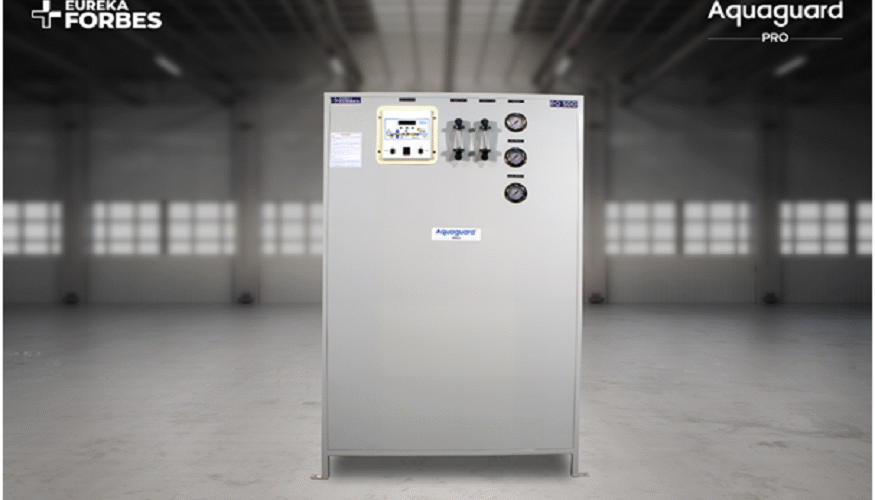
Clean drinking water at work is something people might only notice when it’s missing or when there’s a problem in getting it. Whether it’s employees filling bottles, visitors asking for water, or teams staying hydrated through long hours, a reliable supply of safe water matters every day.
This is why many businesses choose an RO water plant instead of depending on uncertain water sources. When installed properly, it works seamlessly with a water cooler for the office, making sure clean, great-tasting water is always available without disruption.
Before installing a system, it helps to understand a few basics. This makes sure the plant runs smoothly and lasts longer.
Start by testing the input water. Water from borewells, tankers, or mixed supply can have high TDS, salt, or hardness. A water test helps decide the right RO capacity and filtration stages. Installing a plant without testing may lead to poor performance or frequent breakdowns.
Every business uses water for different requirements. A small office needs less water than a factory or hotel. Choose an RO water purifier based on daily usage, number of employees, and peak demand. Oversized systems cost more, while undersized systems struggle to meet needs.
The RO water plant should be placed in a clean, dry, and well-ventilated area. There must be enough space for maintenance and filter changes. Avoid installing it in damp corners or places with direct sunlight. A stable floor helps prevent vibration and damage.
RO plants release rejected water during filtration. A proper drain line is necessary to avoid water overflow. Also, check for a stable power supply. Voltage fluctuations can damage pumps and control panels, especially in commercial setups.
Pre-filters remove dust, sand, and chlorine before water enters the RO membrane. Good pre-filtration protects the system and improves output quality. Skipping this step can reduce membrane life and increase service costs.
If your RO plant supplies water to a water cooler for the office, ensure proper piping and storage. Clean tanks and food-grade pipes are important to maintain hygiene. This setup helps employees get safe and cool drinking water throughout the day.
RO water plants need regular servicing. Filters and membranes must be replaced on time. Install the system where technicians can access it easily. This reduces downtime and keeps water quality consistent.
Always select a brand that offers professional installation and strong service support. Trained technicians, genuine spare parts, and quick response help avoid long water outages. This is especially important for businesses that depend on an uninterrupted water supply.
Installing an RO water plant is a smart decision for any business. But correct planning makes all the difference. From testing water quality to choosing the right location and capacity, each step matters. When paired with a water cooler for the office, a well-installed system ensures clean, safe, and reliable drinking water every day.