Related Posts

General News Blog
My WordPress Blog
My WordPress Blog
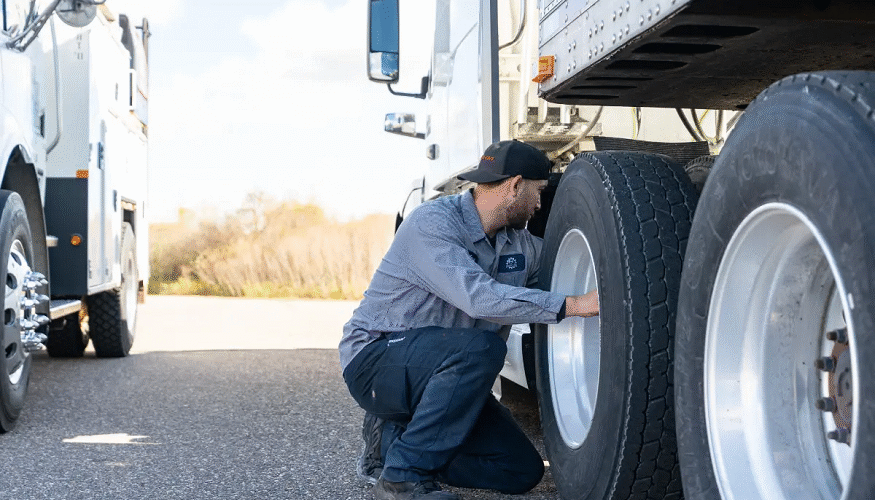
Heavy trucks are crucial for the smooth and efficient operation of different industries. They need to work consistently to move materials, finished goods, and produce, often under harsh conditions. The more time your trucks spend on the roads, the better it is for your business. This can be achieved only through regular and proper preventive maintenance.
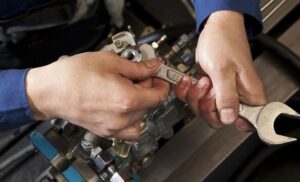
Here are 6 essential preventive maintenance tips you should follow to keep your heavy trucks in peak condition so that they continue to perform.
This is the most basic and most important step to maintaining your heavy truck. Timely oil changes ensure the engine stays lubricated at all times, there is reduced friction, and wear. All manufacturers have an ideal recommendation for the oil change interval. Depending on your vehicle’s driving conditions and oil type, this range can vary from 15,000 miles to 35,000 miles.
It is recommended to check and change different types of fluids, including engine oil, hydraulic fluids, transmission fluid, and coolant. These fluids not only ensure smooth engine operation but also maintain optimal temperature.
When filters are not replaced as per the service schedule, they can get clogged and affect the engine and other components. These are the most common filters that need checking and changing:
Have your truck’s brake pads, fluid levels, and rotors checked regularly. Look for any signs of wear, including grinding and squeaking noises when braking. Brake fluids need to be changed every 25,000 miles to 30,000 miles or 2 years. Timely maintenance can help ensure safe truck operation while preventing costly repairs.
Read More: Why Is A Bike Safety Light Important?
Oil leaks can bring your operations to a standstill. Leaks usually occur around pipes and hoses and affect both engine oil and power steering systems. It is recommended to look for oil leaks under the truck. They mostly occur due to normal vehicle usage and deterioration.
Besides regularly checking the coolant levels, make sure to look for any signs of leaks or wear on the hoses. The cooling system requires flushing and coolant replacement as per the manufacturer’s recommendations. This should be done every 2 to 5 years or 30,000 miles to 100,000 miles based on operating conditions and type of coolant. A clean radiator and properly working thermostat help your truck’s engine operate at optimal temperatures.
Besides conducting a daily tire inspection, you should ensure tire rotation every 5,000 to 8,000 miles. Additionally, the tires should be replaced every 3 to 6 years or 100,000 miles. When checking the tires, look for the following factors:
Read More: The Most Common Car Failures And What They Mean For Your Vehicle
Besides these maintenance measures, it is recommended to check and maintain the suspension system, battery, exhaust system, electrical system, and clutch and gearbox. Also make sure to clean your truck’s exterior regularly. This can not only help enhance its appearance but also prevent rusting and corrosion. You should maintain clear and detailed maintenance records and use the services of the same truck repair shop.