Related Posts

General News Blog
My WordPress Blog
My WordPress Blog
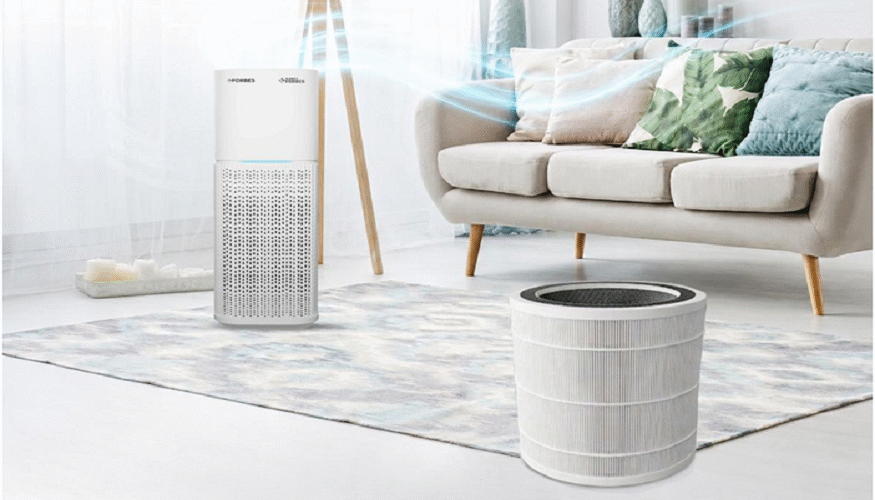
Most people buy an air cleaner for home use, set it up, and then often forget about the filter and its importance. That filter works silently, trapping dust, allergens, and fine particles every day, but it has a limit, too. Once it reaches that limit, things start going wrong in ways that most people do not immediately connect to the filter.
A clogged filter affects air quality, increases running costs, and can even shorten the lifespan of your air purifier. Replacing it on time is one of the simplest ways to protect both your investment and your indoor air.
There are certain signs that may indicate your air purifier needs a new filter. These signs include:
As time goes by, air filters pick up dust, pollen, pet hair, and other particles from the air. When the filter gets clogged, air cannot flow as easily, and the purifier doesn’t work to its full efficiency.
When a filter reaches its limit, it may fail to trap dust. This means more dust stays in the air instead of getting trapped. Over time, the air inside can start to feel stale, especially in rooms that do not get much fresh air.
If the filter is dirty, allergens like dust, pollen, and pet dander keep moving around inside your home. This can cause sneezing, blocked noses, or irritation. It is especially difficult for allergy or asthma patients.
Activated carbon filters help in absorbing smells coming from household activities like cooking, and household cleaners. But over time, they might not work as well. If you have not changed the filter in a while, you might notice bad smells sticking around longer than they used to.
Read More: Types Of Geysers: Which One Actually Fits Your Home?
When the filter is clogged, air cannot move through the purifier easily. Because of this, the machine may have to work harder, which will lead to more energy consumption.
When air cannot flow well, the fan and motor have to work harder and longer to clean the air. This extra effort can reduce how well your purifier works and may affect its internal components.
HEPA filters are designed to capture fine air particles such as PM2.5, pollen, and mould spores. But once the filter becomes overloaded, its ability to trap these tiny particles starts to decline. This reduces the purifier’s effectiveness in maintaining clean indoor air.
When it is humid, dust and moisture can get stuck in the filter, which can help mould and germs grow, especially during the rainy season.
Every air purifier comes with recommendations regarding the frequency with which its filters need to be replaced. Such recommendations can help you ensure timely replacement of the air filter and keep the flow of air and the filtration process as effective as possible.
Read More: What Should You Check Before Finalising A Commercial Water Cooler?
Generally, a pre-filter should be washed every 2-4 weeks, a HEPA filter should be replaced every 6-12 months, and an activated carbon filter should be replaced every 3-6 months.
Changing an air filter on time takes less time. But its impact extends to your family’s health, the efficiency of your unit, and the cost of running it month after month.
Mark a reminder to check the filter every few months. Do not wait for the unit to slow down or for someone at home to start sneezing more than usual. The best home air purifier is only as good as its filter. Properly clean that filter, and the rest takes care of itself.